Yakiniku - online puzzles


Online puzzle Yakiniku
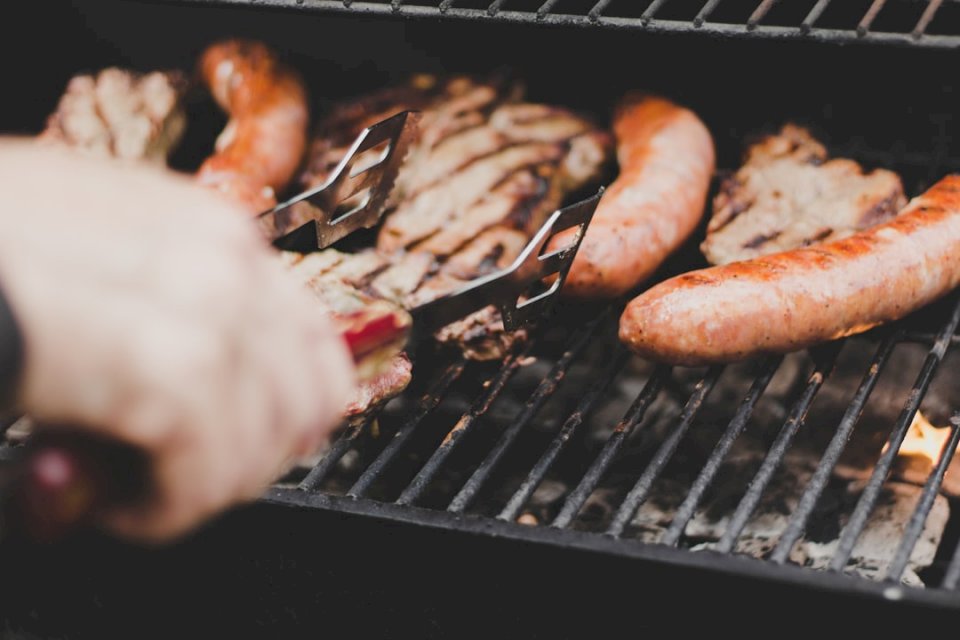
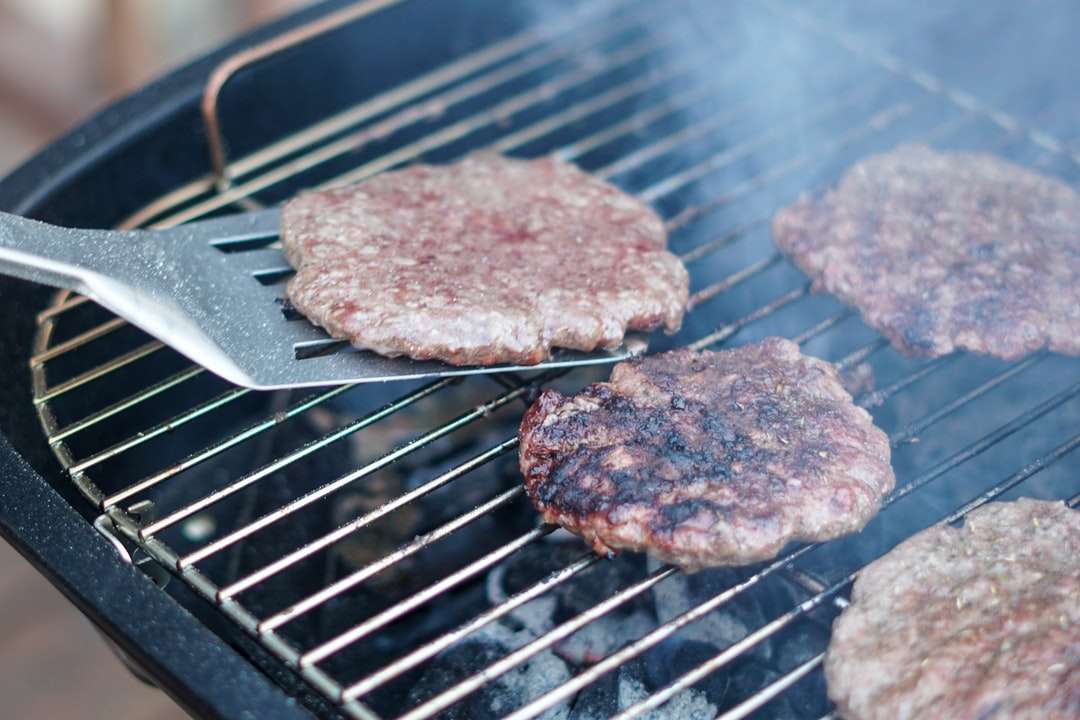
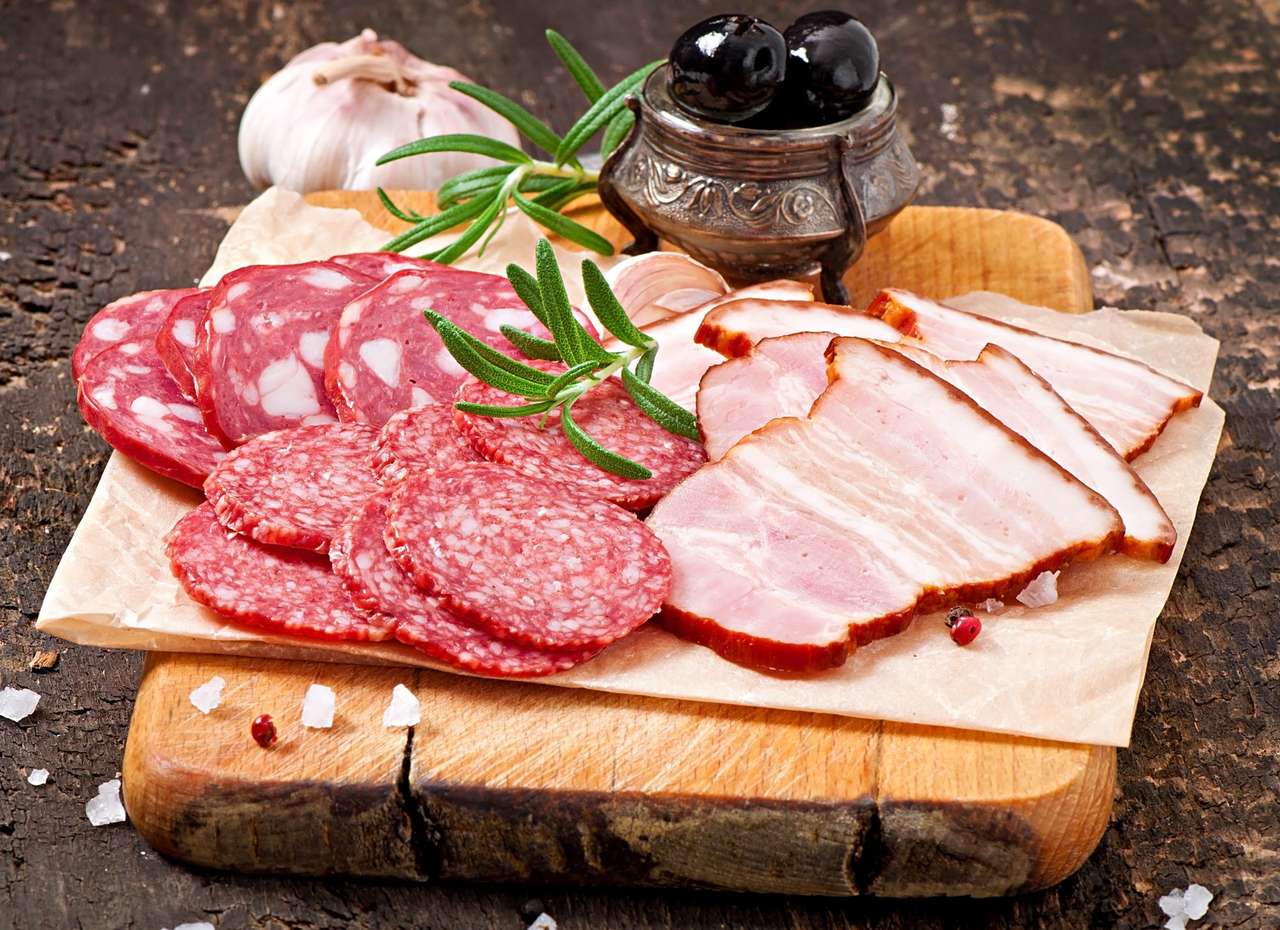
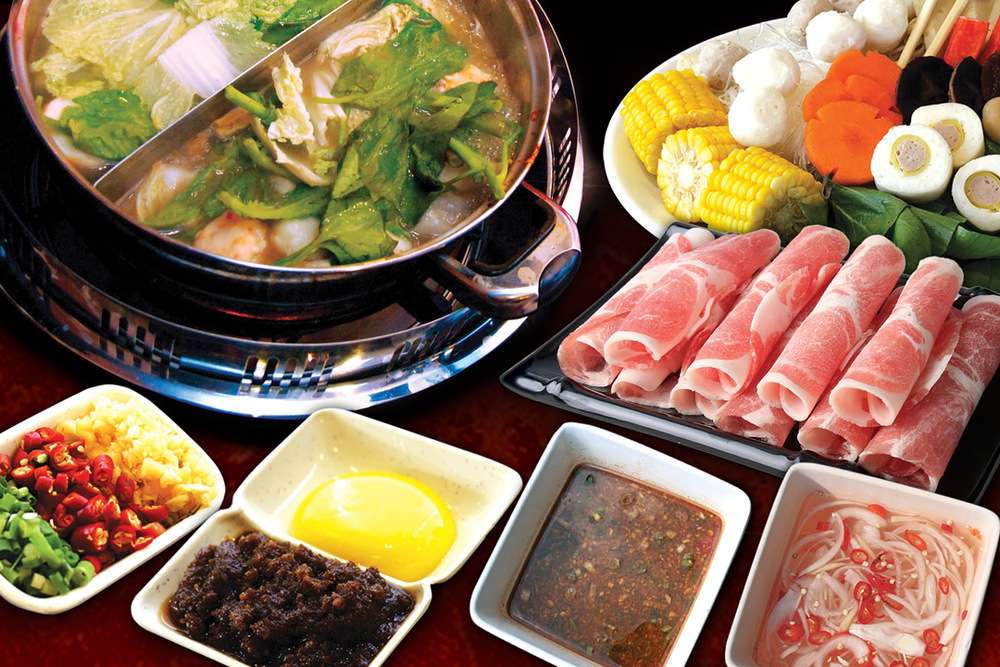
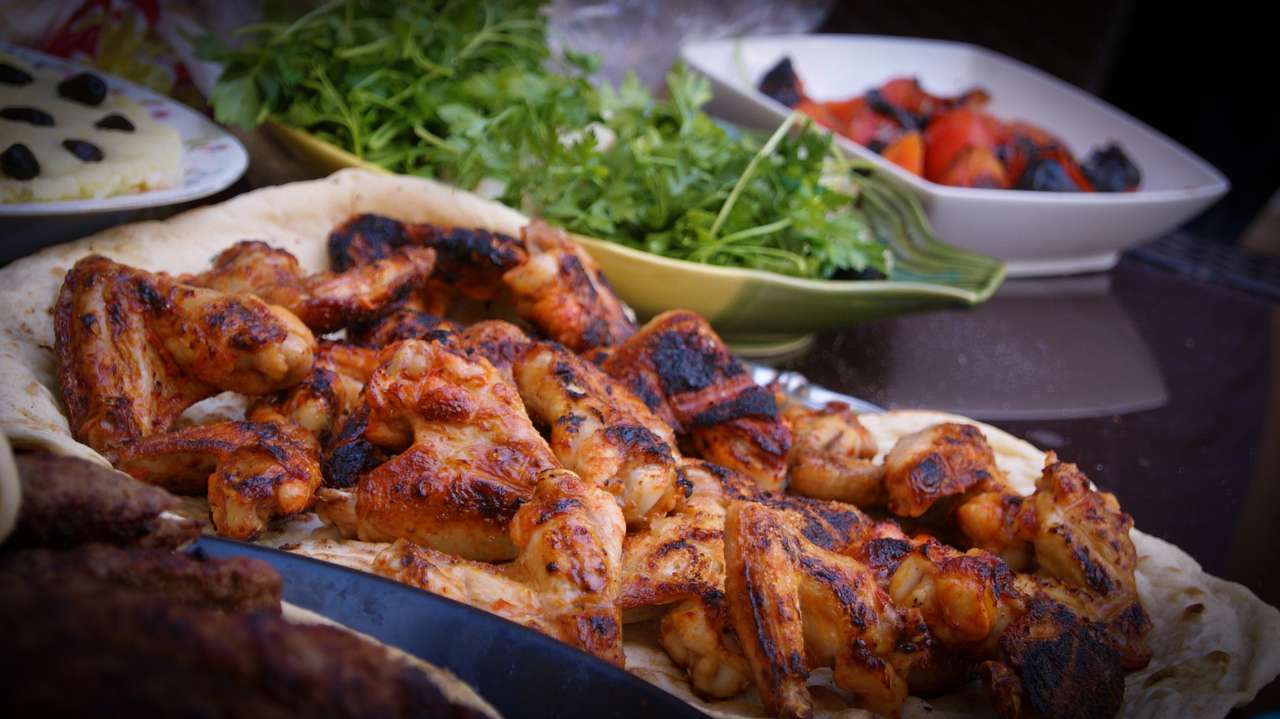
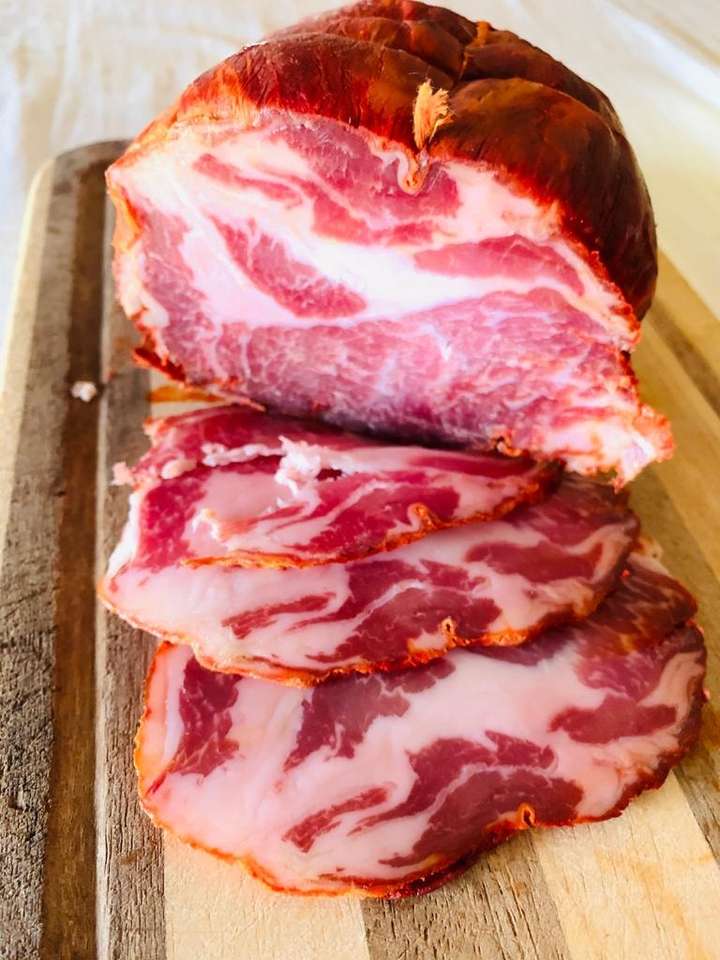
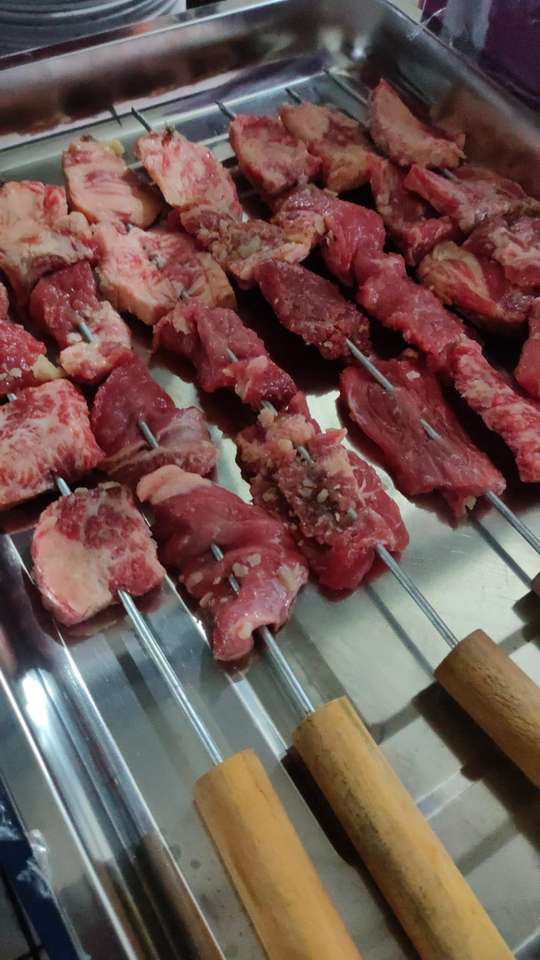
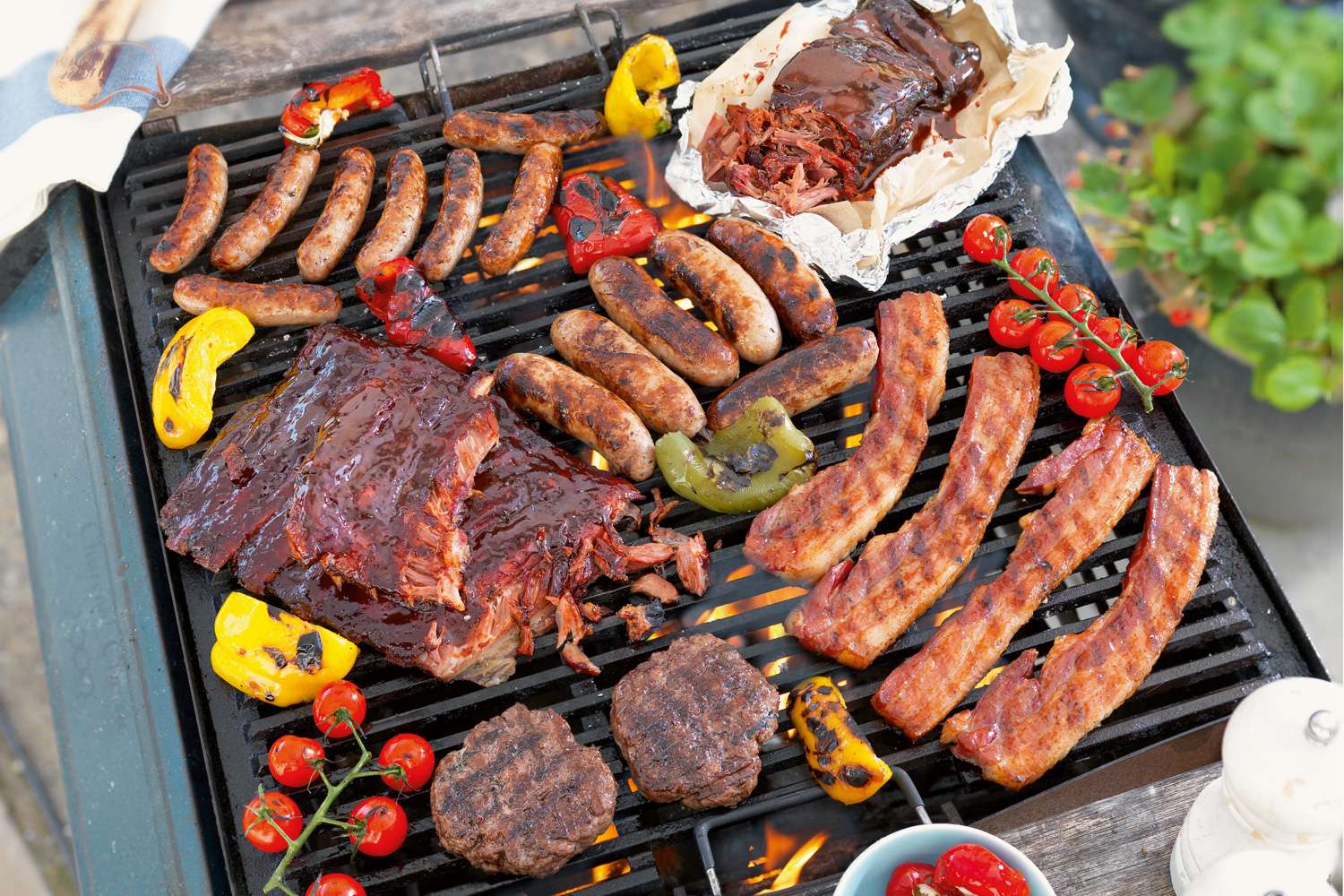
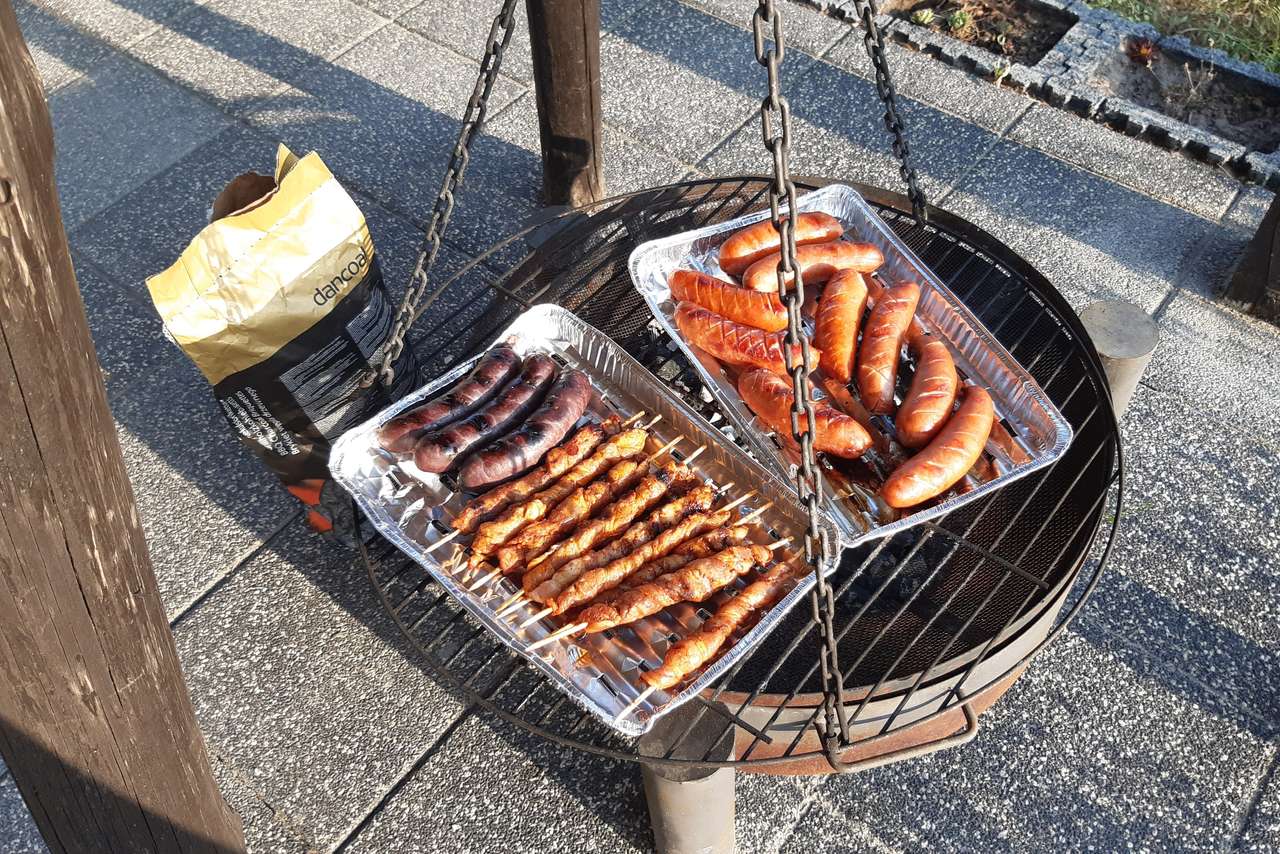
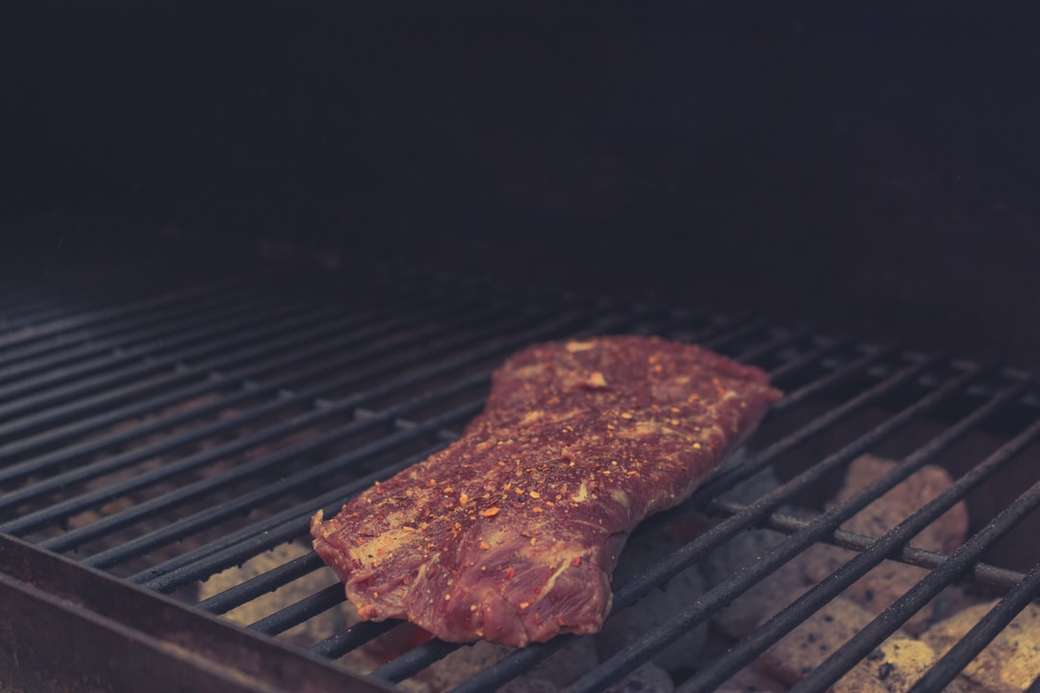
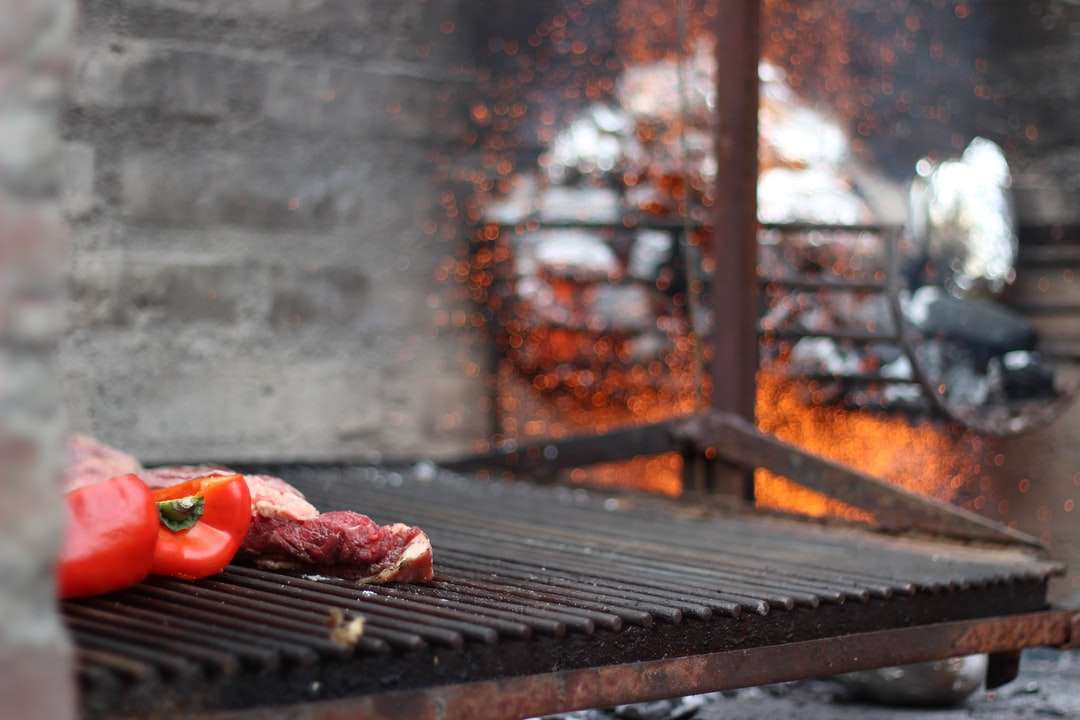
Yakiniku (焼き肉 or 焼肉), meaning "grilled meat ", is a Japanese term that, in its broadest sense, refers to grilled meat cuisine. "Yakiniku" originally referred to western " barbecue " food, the term being popularized by Japanese writer Kanagaki Robun (仮名垣魯文) in his Seiyo Ryoritsu (i.e. " western food handbook") in 1872 (Meiji period). The term later became associated with Korean -derived cuisine during the early Shōwa period. Due to the Korean War, the terms associated with Korea in Japan were divided into North Korea (Kita Chōsen) and South Korea (Kankoku); the reference to a "yakiniku restaurant " arose as a politically correct term for restaurants of either origin.Today, "yakiniku" commonly refers to a Japanese style of cooking bite-size meat (usually beef and offal ) and vegetables on gridirons or griddles over a flame of wood charcoals carbonized by dry distillation (sumibi, 炭火) or a gas/electric grill. In many parts of the world, yakiniku is also commonly referred to as " Japanese barbecue ". The origin of contemporary yakiniku has become a subject of debate, though it is conventionally considered to have been inspired by similar Korean cuisine. In 2002 the NHK program NHK Ningen Kōza (NHK人間講座, NHK Humanity Lecture ) stated that: "While some tend to think that yakiniku came from Korea, it was born in post war Japan." Nonetheless, it remains categorically associated with similar Korean cuisine, with various dishes, such as bulgogi, being modified to better appeal to Japanese tastes.The present style of yakiniku restaurants are derived from Korean restaurants in Osaka and Tokyo, which opened around 1945. In a yakiniku restaurant, diners order prepared raw ingredients (individually or as a set) which are brought to the table. The ingredients are cooked by the diners on a grill built into the table, several pieces at a time.