Ten Commandments - online puzzles
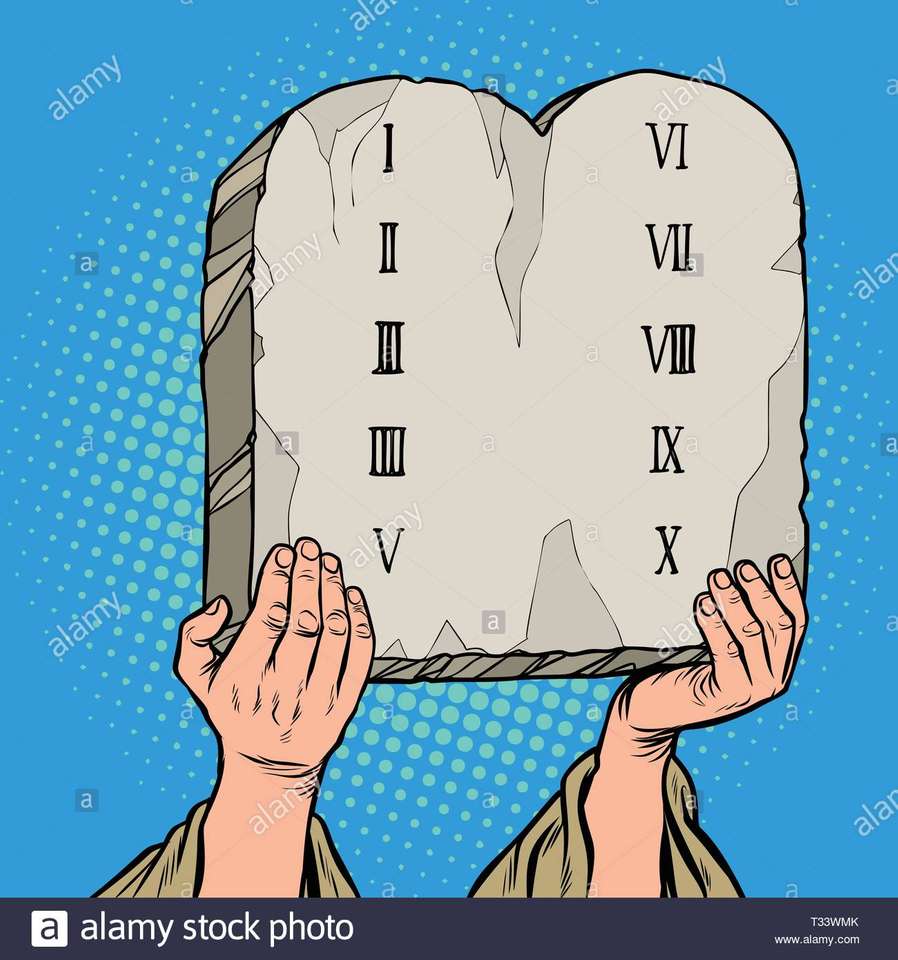
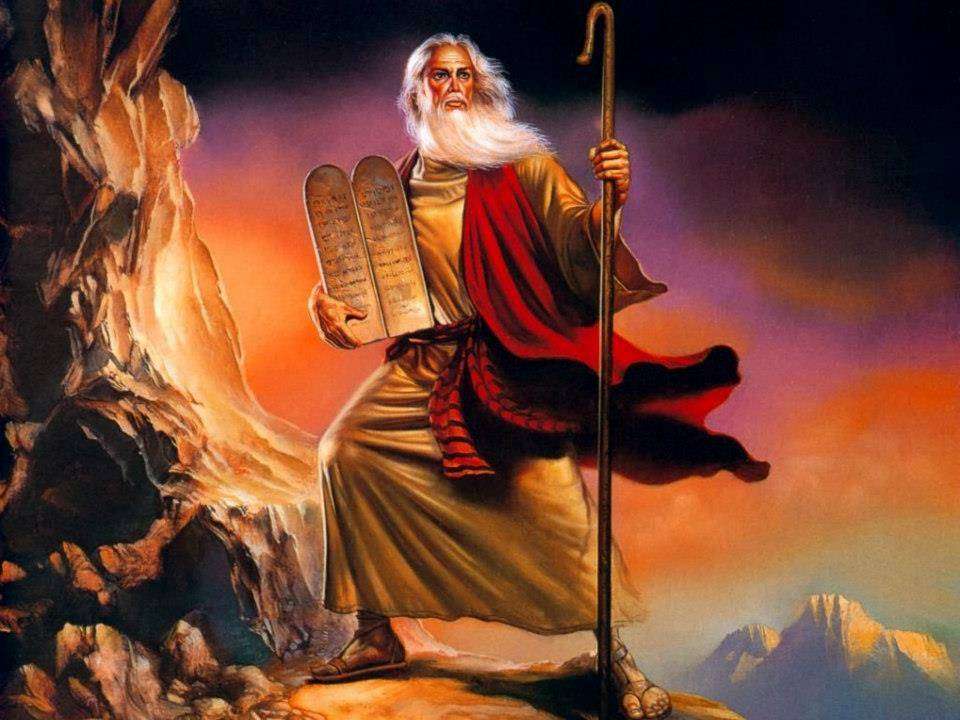
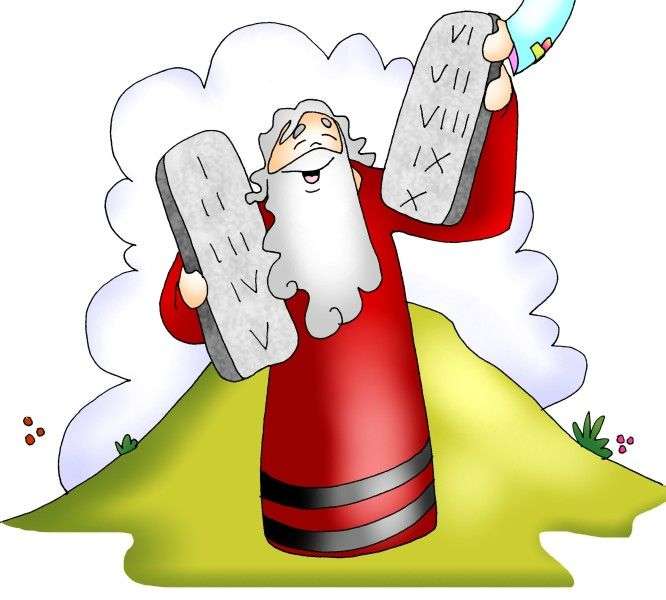
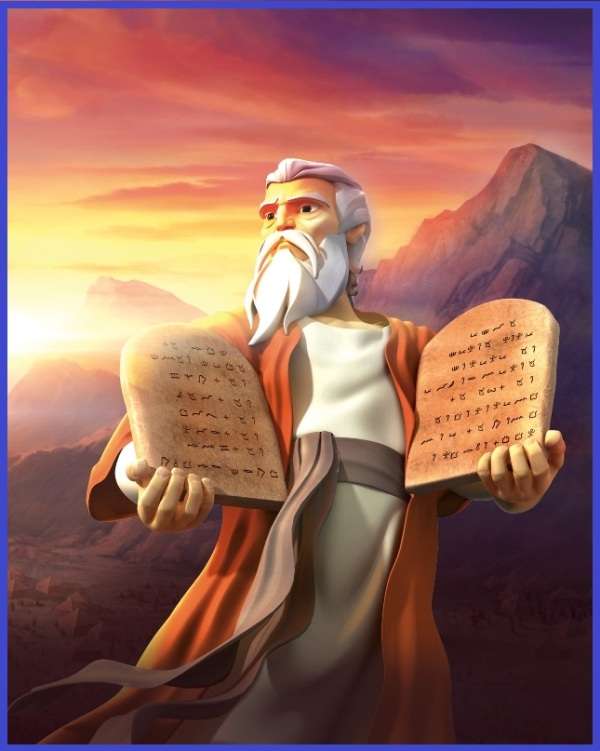
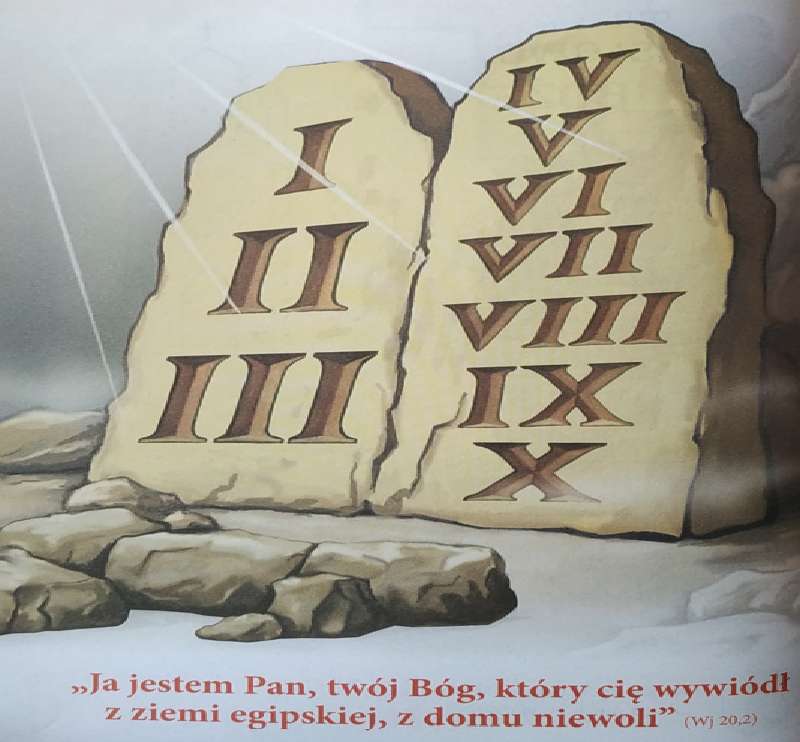

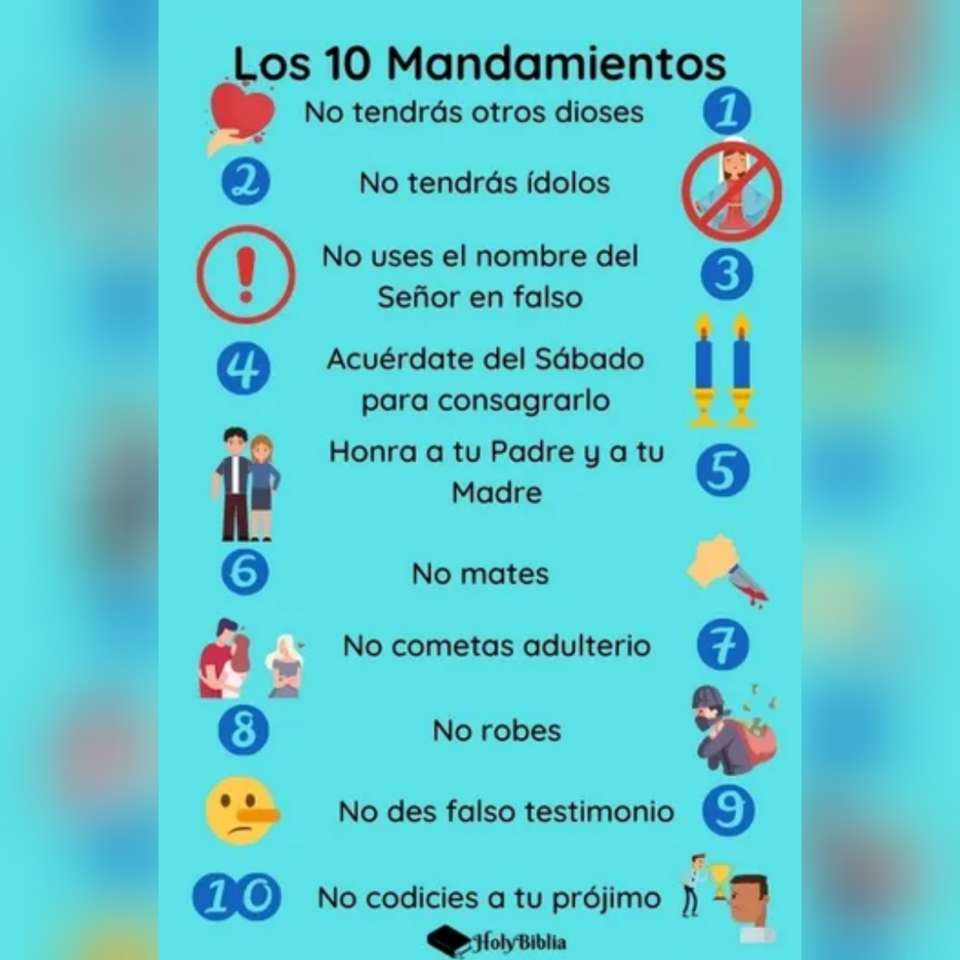

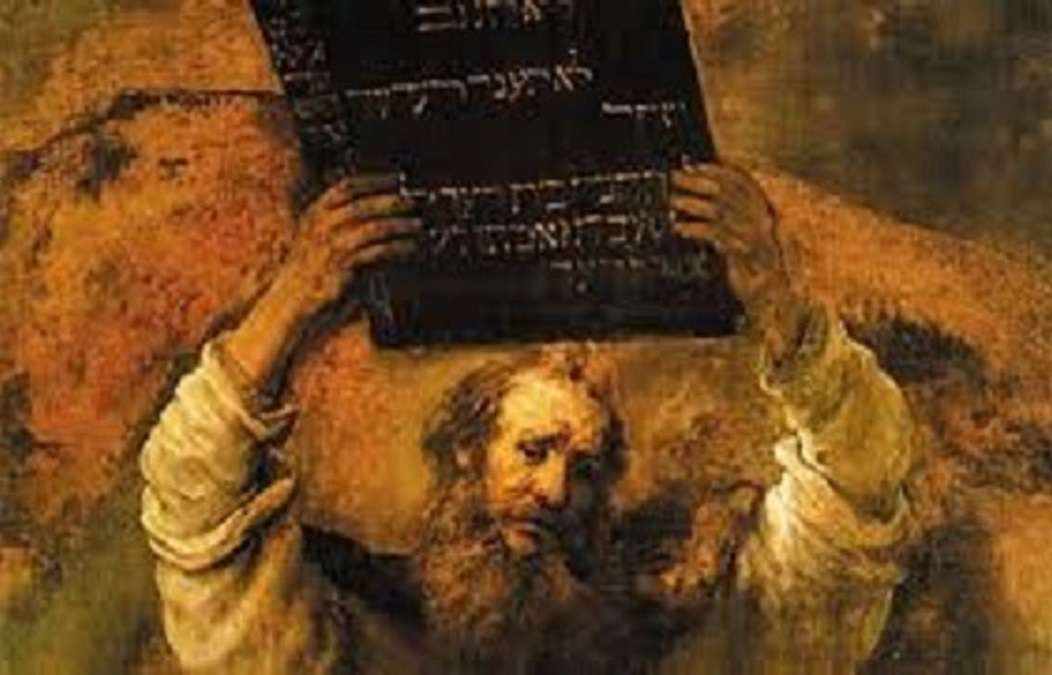
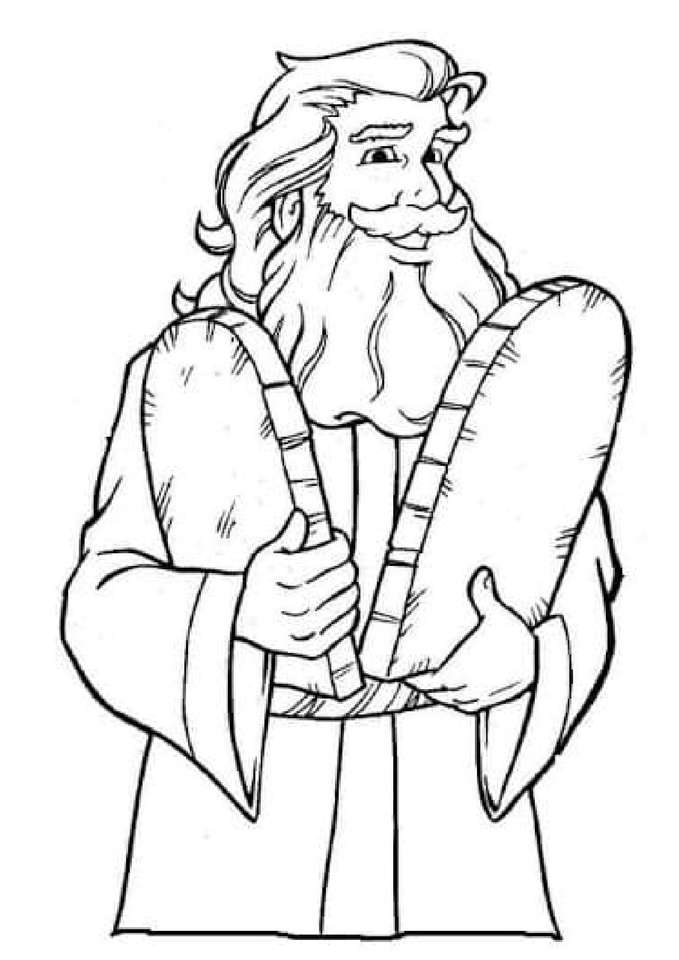
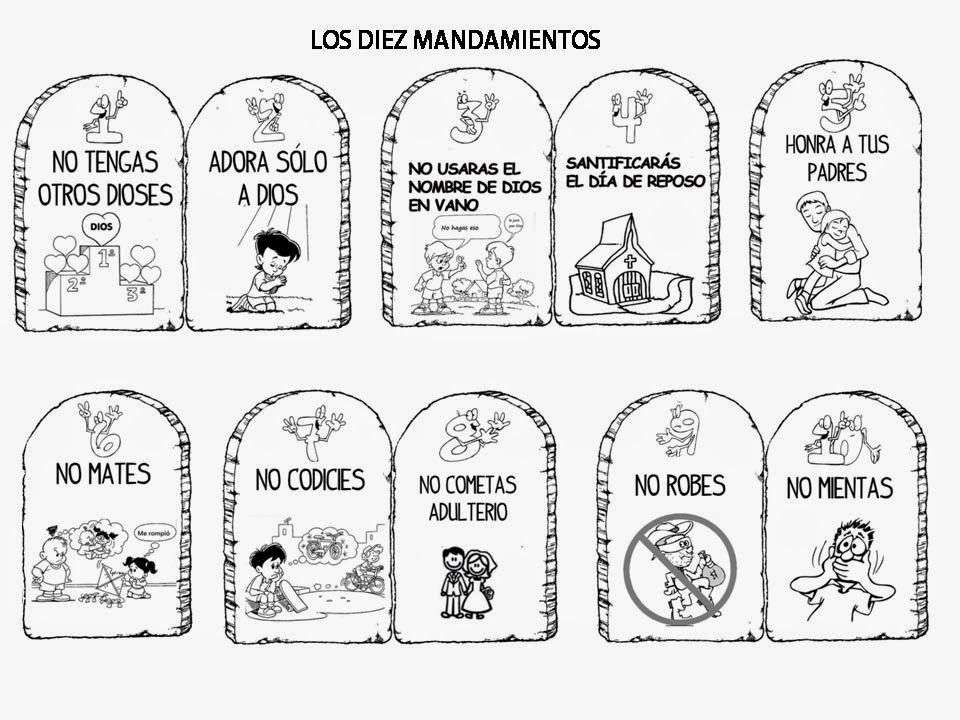

Online puzzle Ten Commandments
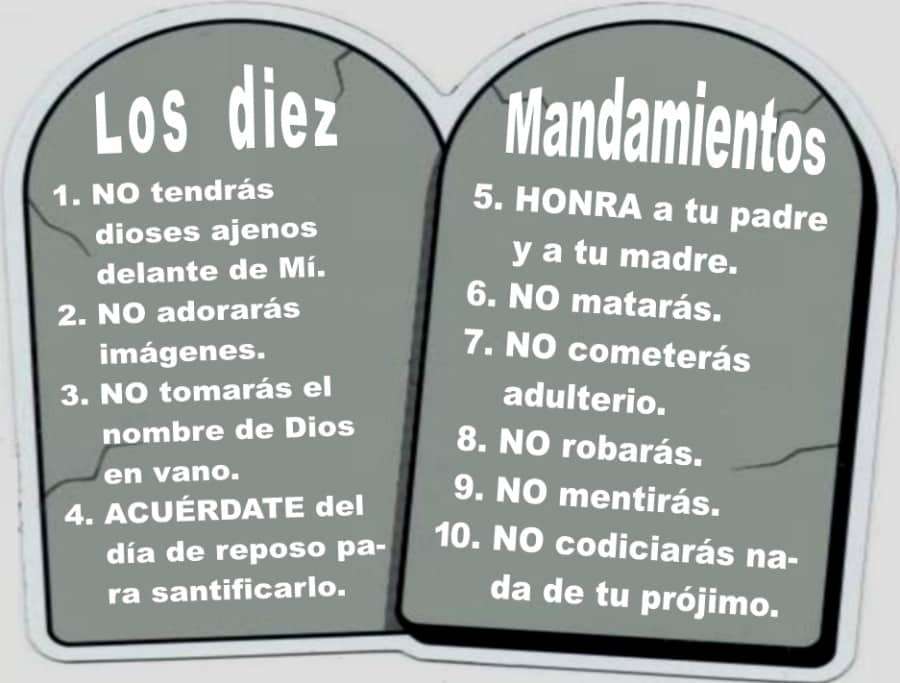
The Ten Commandments (Hebrew: עֲשֶׂרֶת הַדִּבְּרוֹת, Aseret ha'Dibrot), also known as the Decalogue, are a set of biblical principles relating to ethics and worship, which play a fundamental role in the Abrahamic religions. The Ten Commandments appear twice in the Hebrew Bible : in the books of Exodus and Deuteronomy. The commandments include instructions to worship only God, to honour one's parents, and to keep the sabbath day holy, as well as prohibitions against idolatry, blasphemy, murder, adultery, theft, dishonesty, and coveting. Different religious groups follow different traditions for interpreting and numbering them.
Modern scholarship has found likely influences in Hittite and Mesopotamian laws and treaties, but is divided over exactly when the Ten Commandments were written and who wrote them.
Terminology
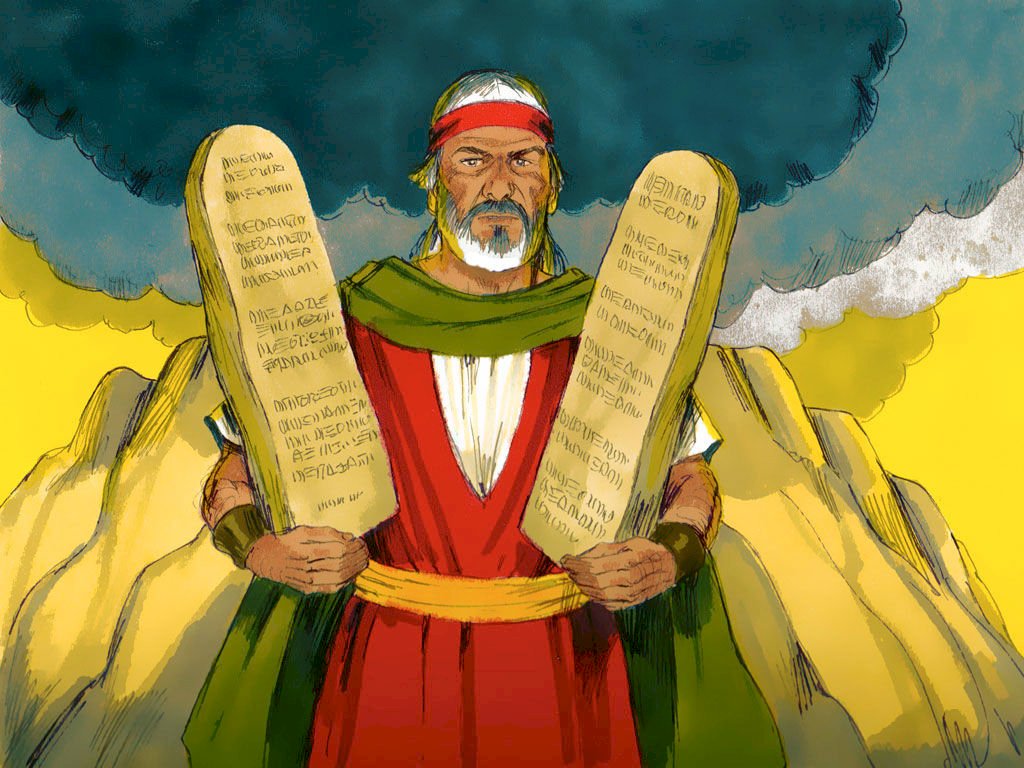
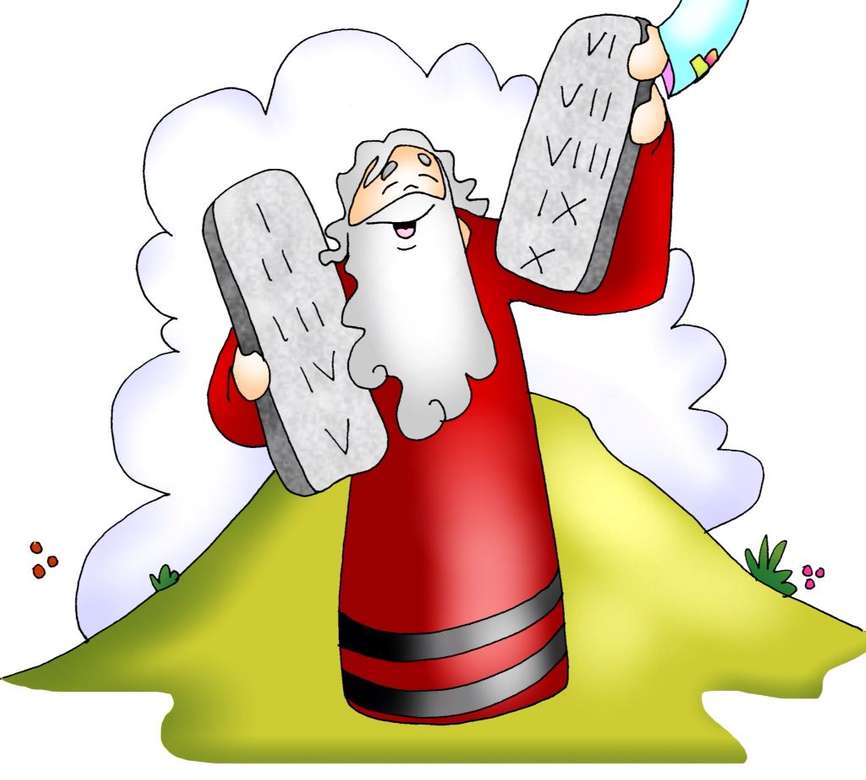
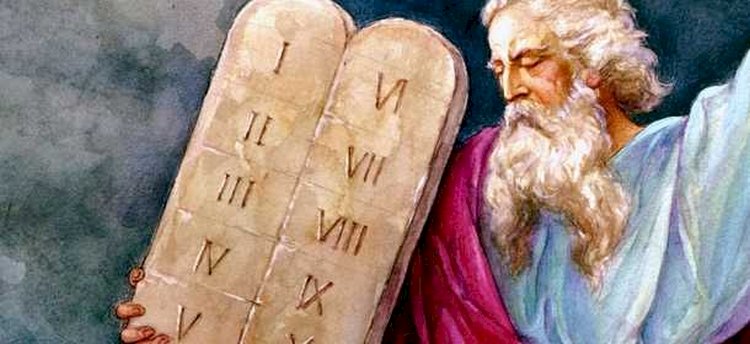
In biblical Hebrew, the Ten Commandments are called עשרת הדברים (transliterated aseret ha-d'varim) and in Mishnaic Hebrew עשרת הדברות (transliterated aseret ha-dibrot), both translatable as "the ten words ", "the ten sayings", or "the ten matters". The Tyndale and Coverdale English biblical translations used "ten verses". The Geneva Bible used "tenne commandements", which was followed by the Bishops' Bible and the Authorized Version (the " King James" version) as "ten commandments". Most major English versions use "commandments."The English name "Decalogue" is derived from Greek δεκάλογος, dekalogos, the latter meaning and referring to the Greek translation (in accusative) δέκα λόγους, deka logous, "ten words ", found in the Septuagint ( or LXX) at Exodus 34:28 and Deuteronomy 10:4.The stone tablets, as opposed to the commandments inscribed on them, are called לוחות הברית, Lukhot HaBrit, meaning "the tablets of the covenant ".
Biblical narrative
The biblical narrative of the revelation at Sinai begins in Exodus 19 after the arrival of the children of Israel at Mount Sinai (also called Horeb).