Mount Vesuvius - online puzzles

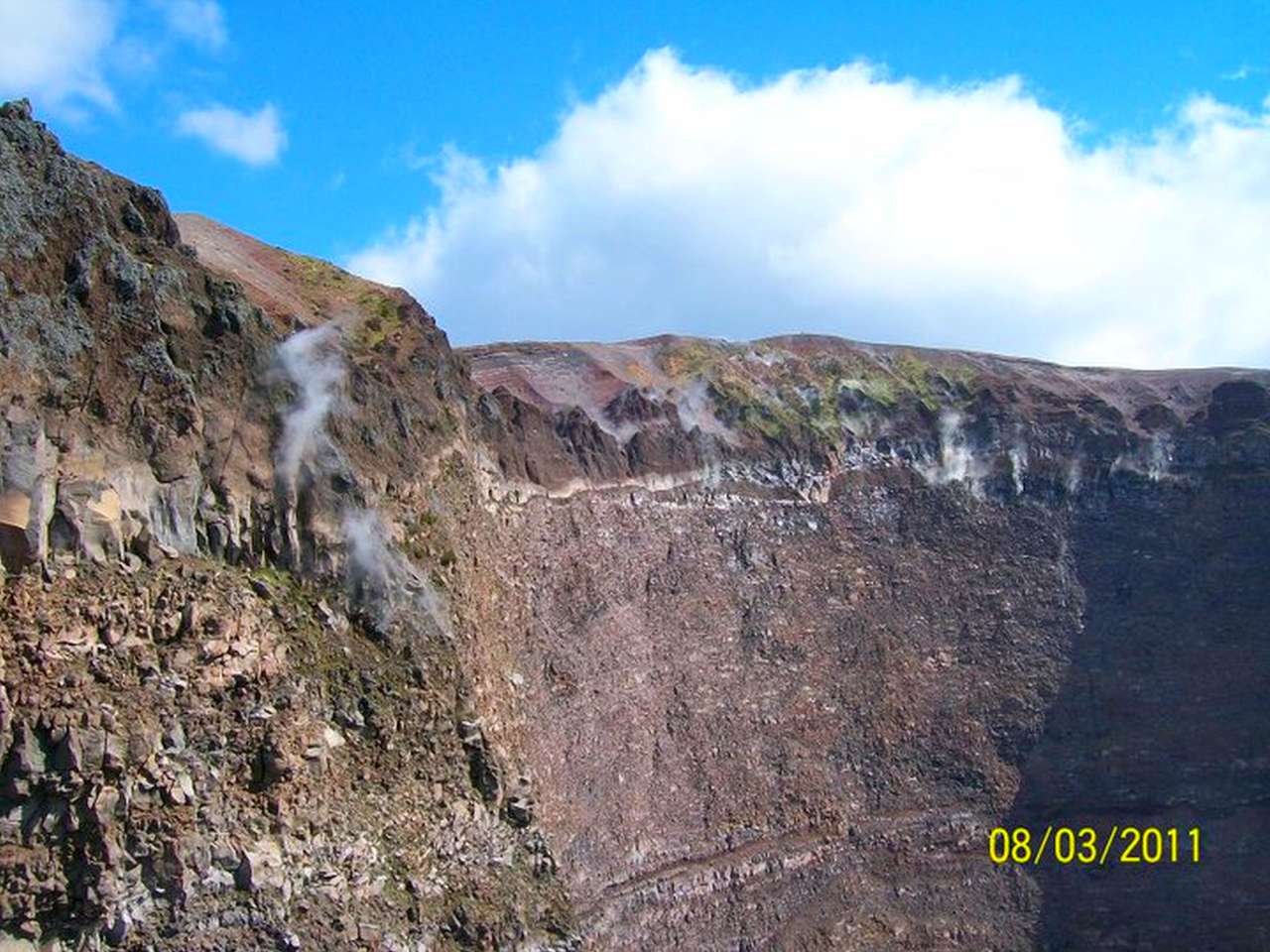
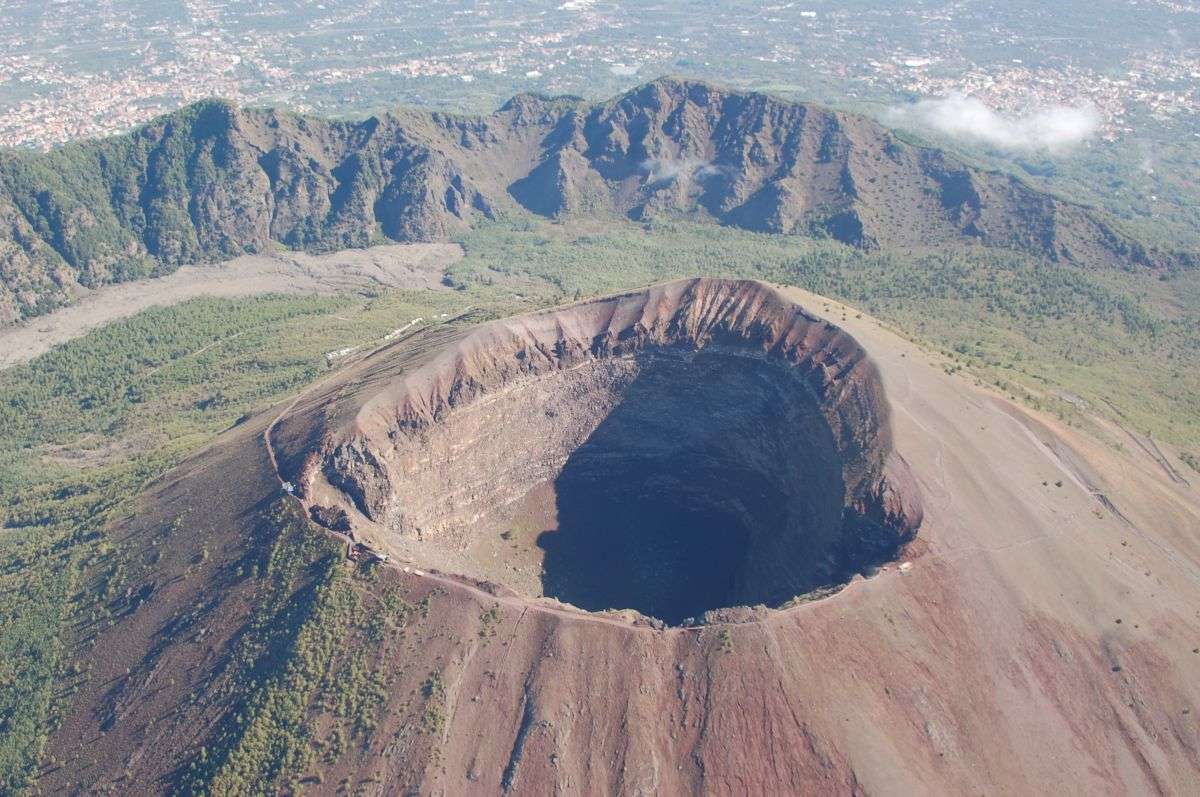
Online puzzle Mount Vesuvius
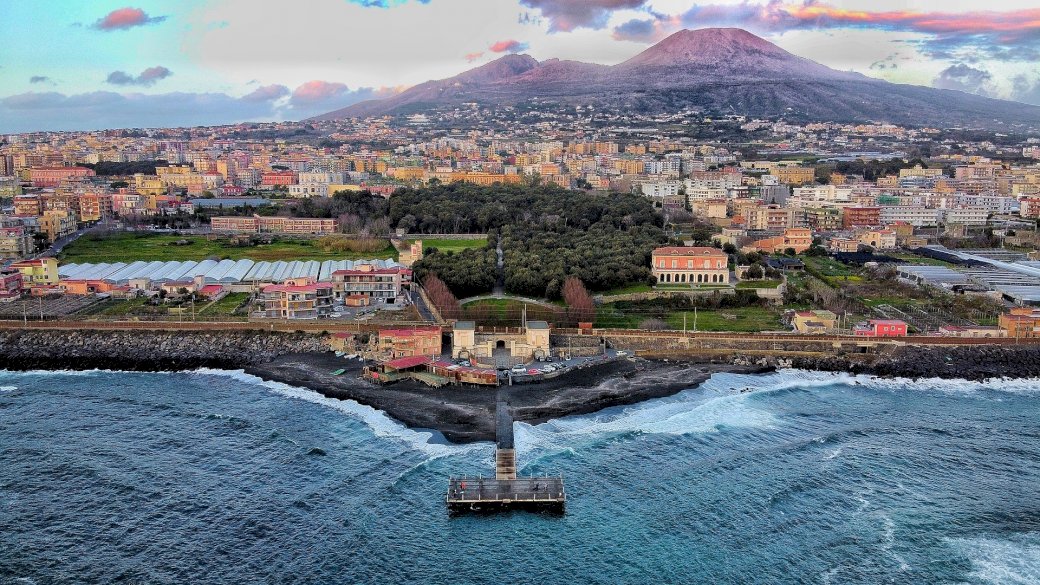
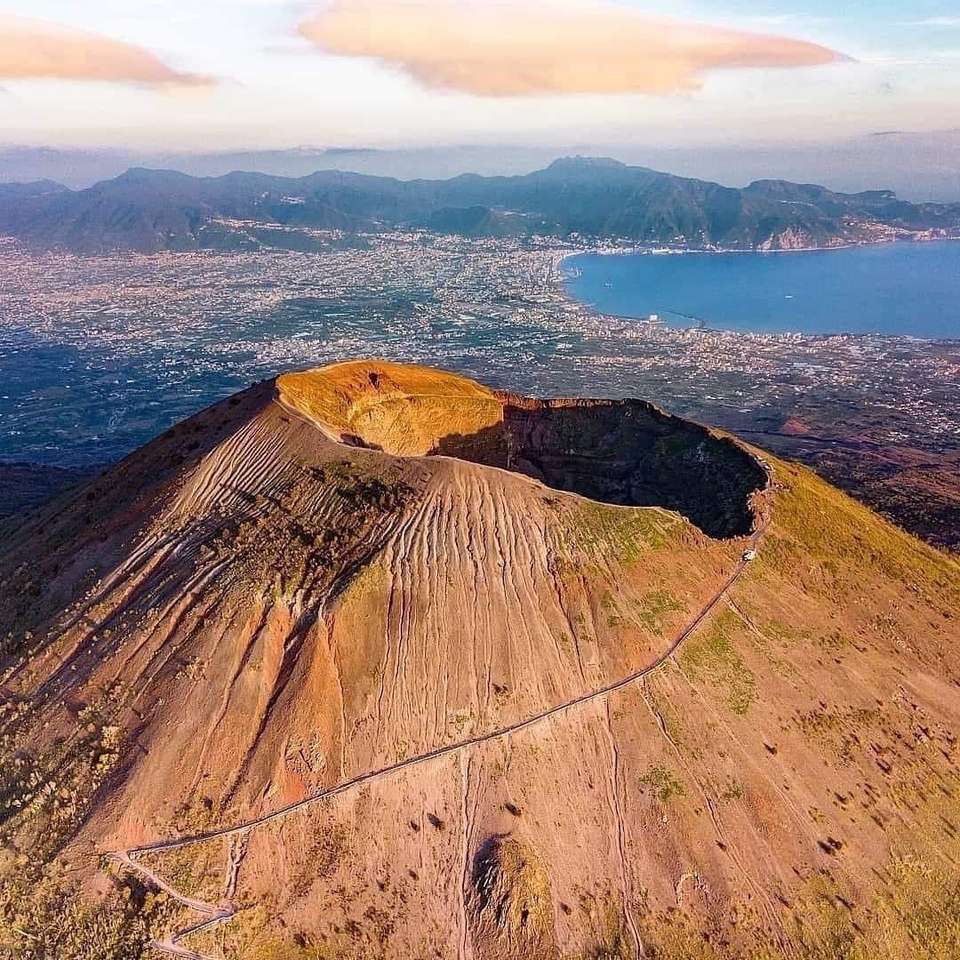
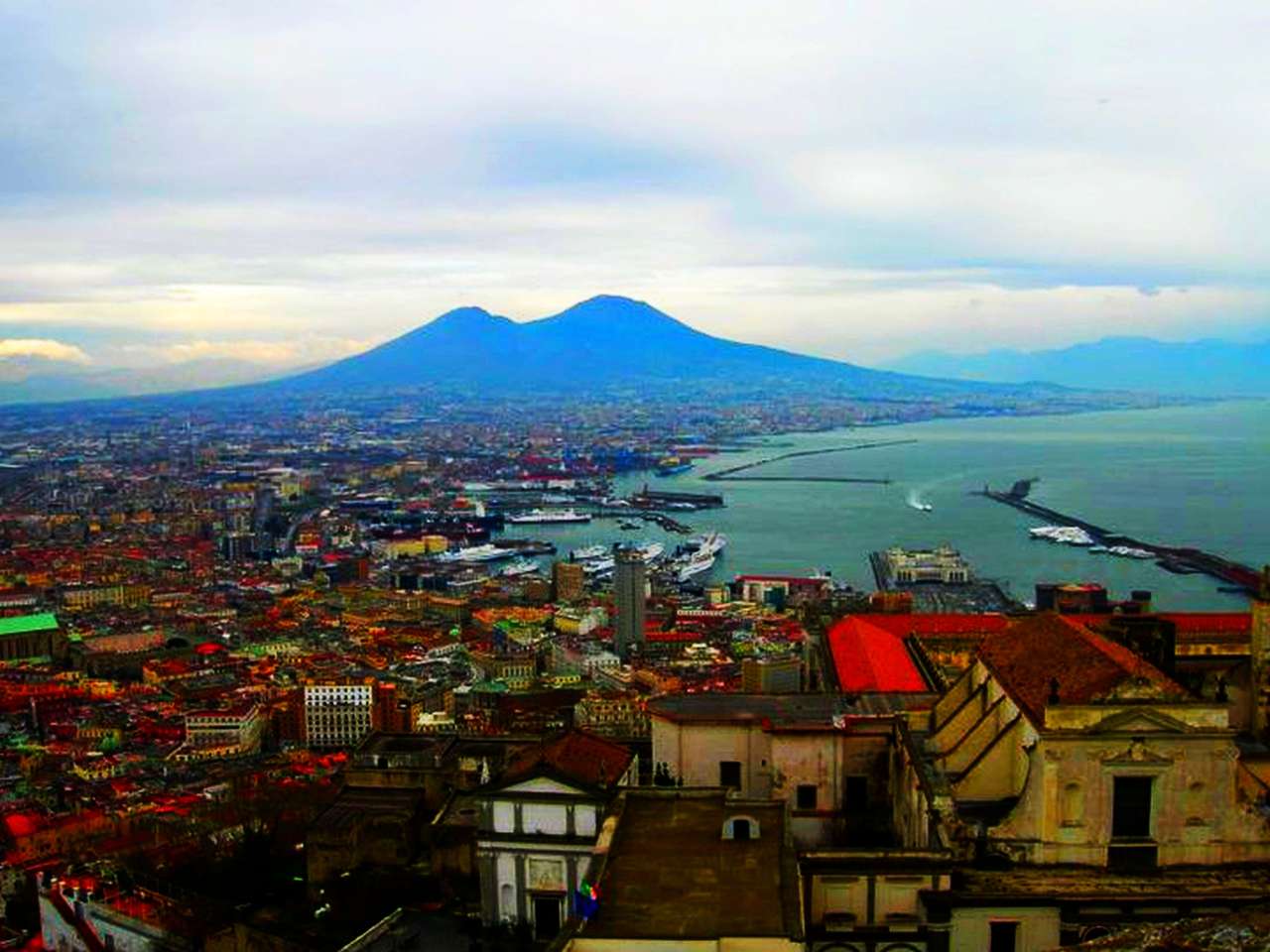
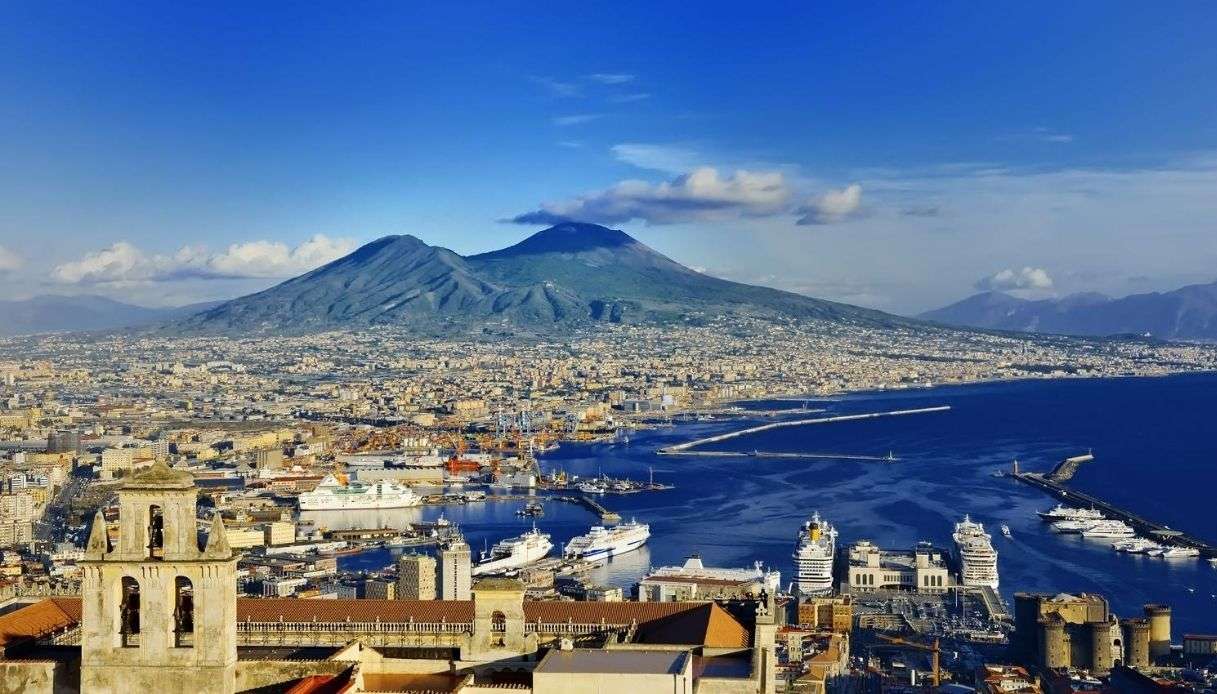
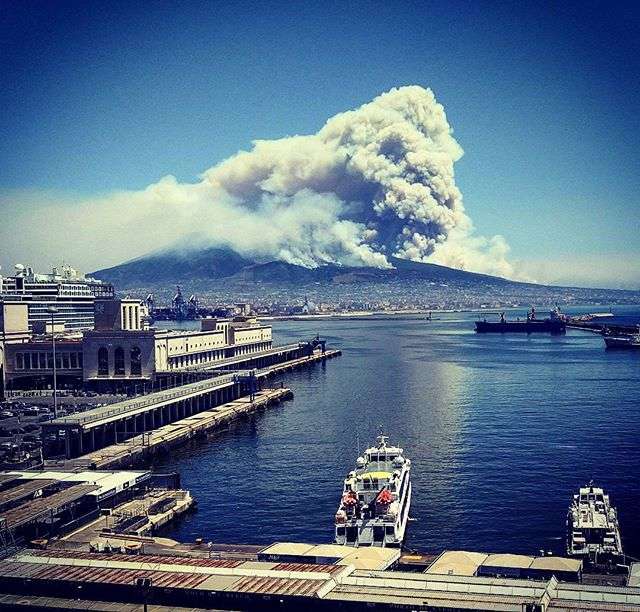
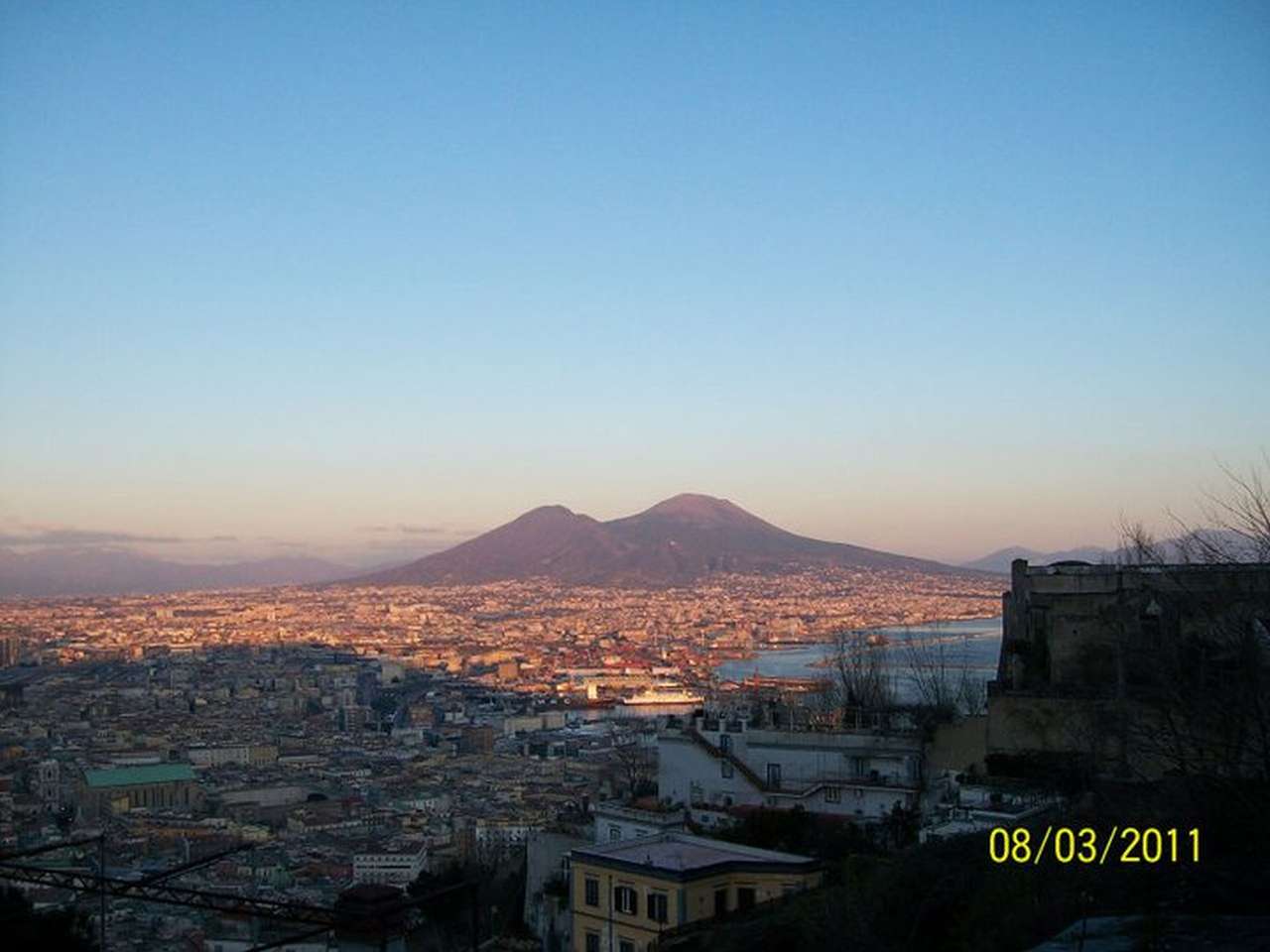
Mount Vesuvius ( viss-OO-vee-əs; Italian: Monte Vesuvio Italian pronunciation: [ˈmonte veˈzuːvjo; -suː]; Neapolitan: Muntagna Vesuvio [munˈdaɲːə vəˈsuːvjə]; Latin: Mons Vesuvius [mõːs wɛˈsʊwɪ.ʊs]; also Vesevus or Vesaevus in some Roman sources) is a somma-stratovolcano located on the Gulf of Naples in Campania, Italy, about 9 km (5.6 mi) east of Naples and a short distance from the shore. It is one of several volcanoes which form the Campanian volcanic arc. Vesuvius consists of a large cone partially encircled by the steep rim of a summit caldera caused by the collapse of an earlier and originally much higher structure.
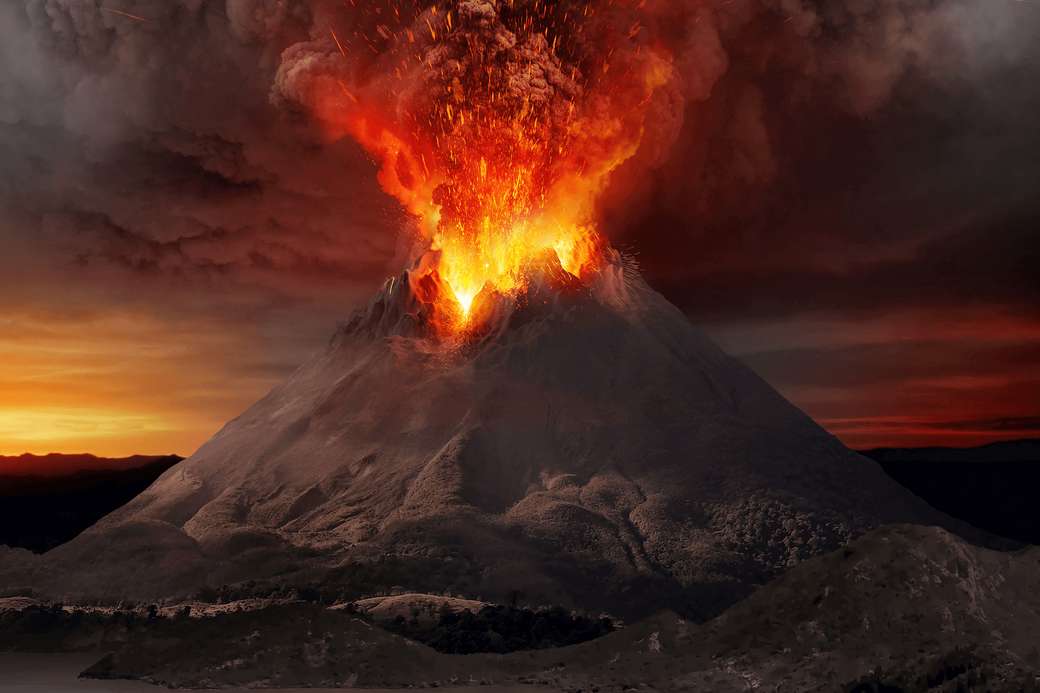
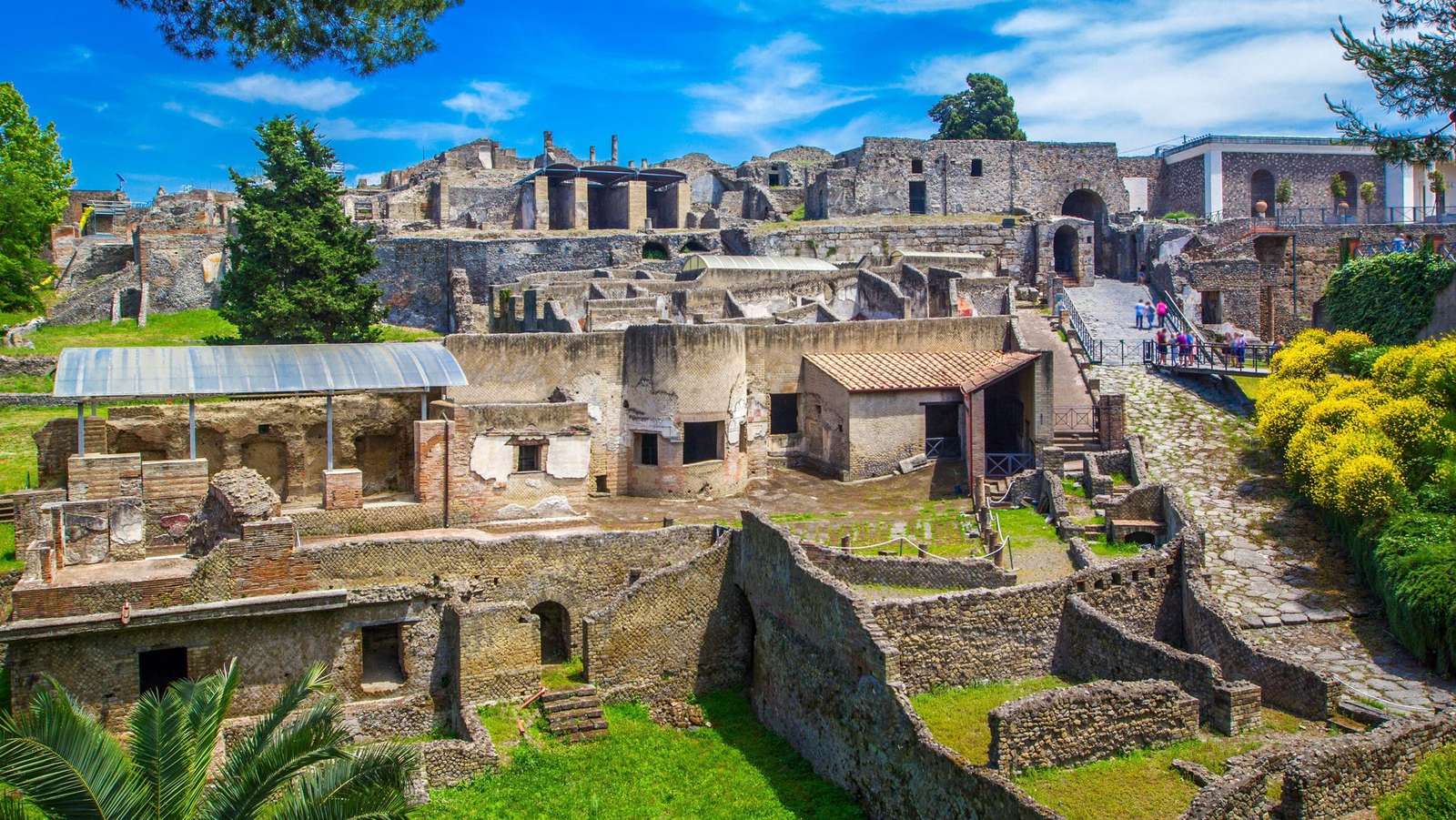
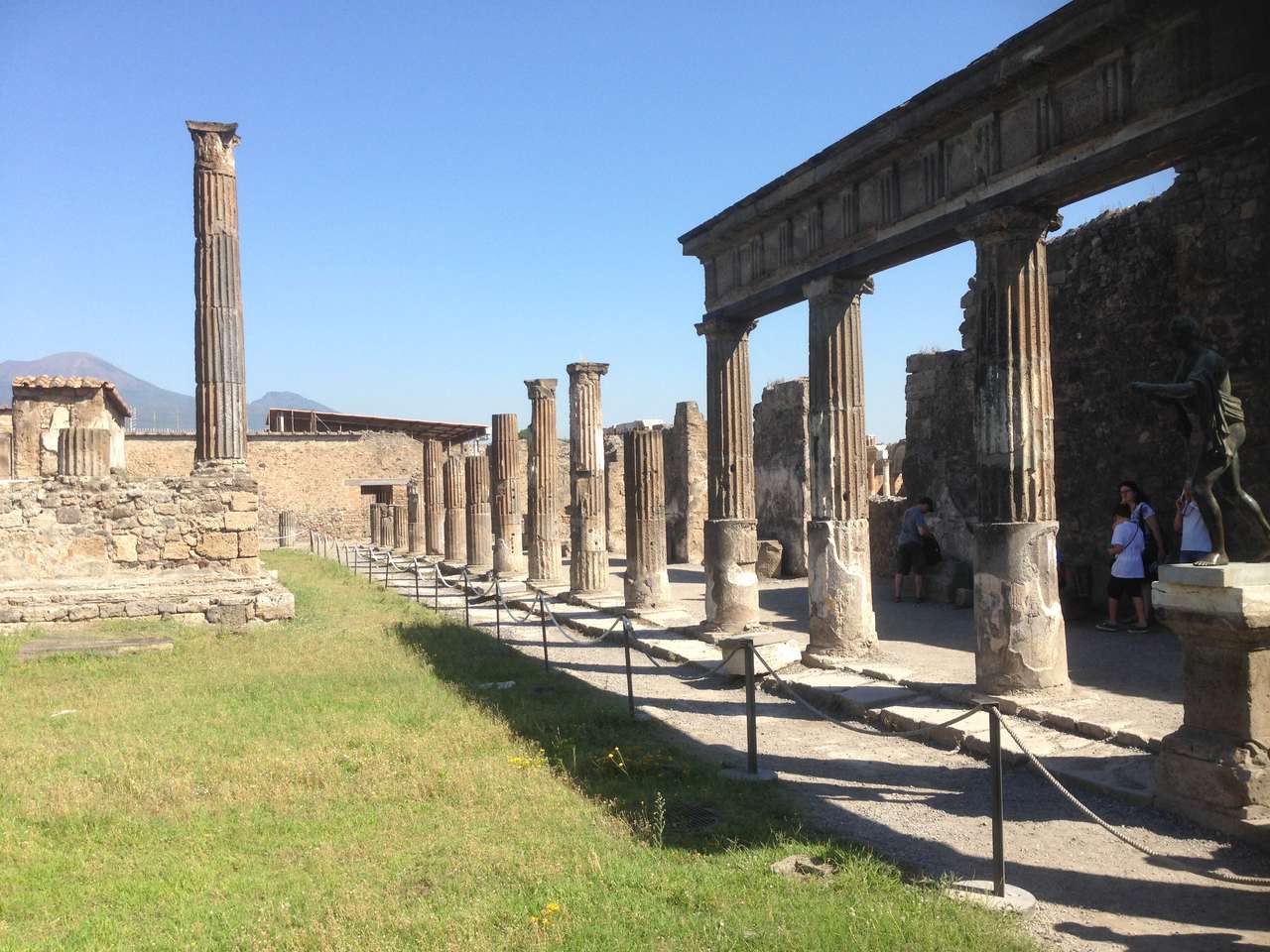
The eruption of Mount Vesuvius in AD 79 destroyed the Roman cities of Pompeii, Herculaneum, Oplontis and Stabiae, as well as several other settlements. The eruption ejected a cloud of stones, ashes and volcanic gases to a height of 33 km (21 mi), erupting molten rock and pulverized pumice at the rate of 6×10⁵ cubic metres (7.8×10⁵ cu yd) per second, ultimately releasing 100,000 times the thermal energy released by the Hiroshima-Nagasaki bombings. More than 1,000 people died in the eruption, but exact numbers are unknown. The only surviving eyewitness account of the event consists of two letters by Pliny the Younger to the historian Tacitus.Vesuvius has erupted many times since and is the only volcano on the European mainland to have erupted within the last hundred years. Today, it is regarded as one of the most dangerous volcanoes in the world because of the population of 3,000,000 people living near enough to be affected, with 600,000 in the danger zone, making it the most densely populated volcanic region in the world, as well as its tendency towards violent, explosive eruptions of the Plinian type.
Mythology
Vesuvius has a long historic and literary tradition. It was considered a divinity of the Genius type at the time of the eruption of AD 79: it appears under the inscribed name Vesuvius as a serpent in the decorative frescos of many lararia, or household shrines, surviving from Pompeii.