lepidopterist - online puzzles
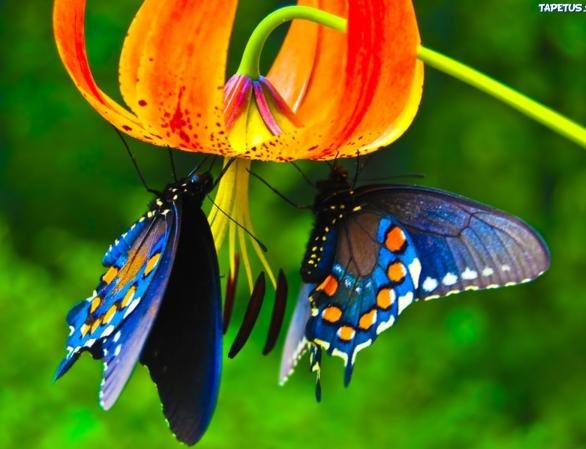
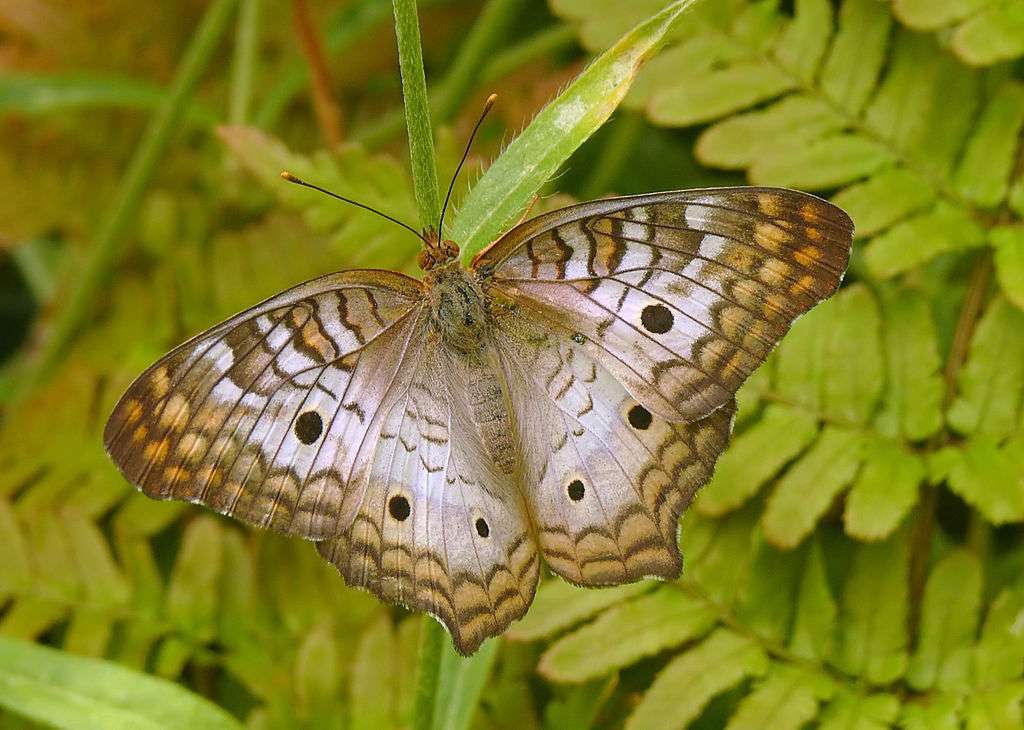
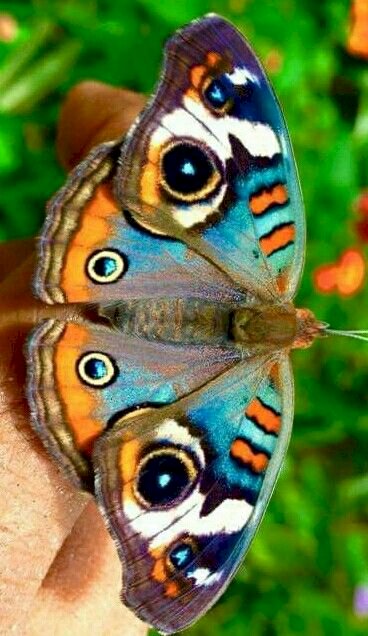
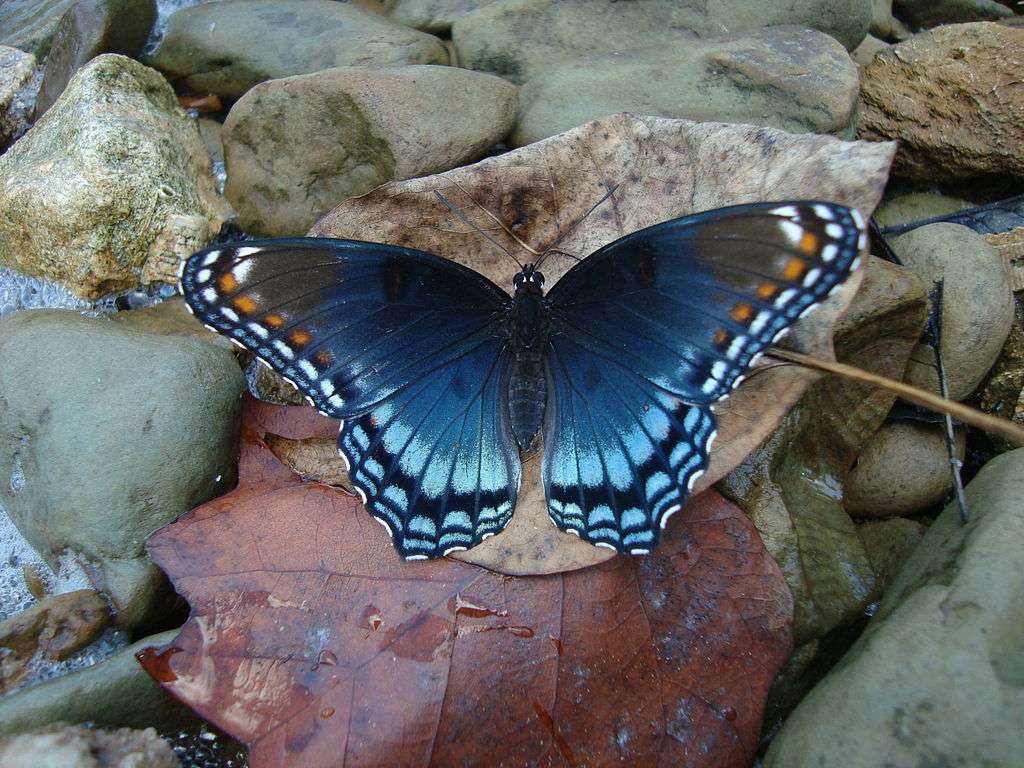
Online puzzle lepidopterist
Lepidopterology (from Ancient Greek λεπίδος (scale) and πτερόν ( wing ); and -λογία -logia.), is a branch of entomology concerning the scientific study of moths and the three superfamilies of butterflies. Someone who studies in this field is a lepidopterist or, archaically, an aurelian.
Origins
Post- Renaissance, the rise of the "lepidopterist" can be attributed to the expanding interest in science, nature and the surroundings. When Linnaeus wrote the tenth edition of the Systema Naturae in 1758, there was already "a substantial body of published work on Lepidopteran natural history " (Kristensen, 1999).These included:
Insectorum sive Minimorum Animalium Theatrum – Thomas Mouffet (1634)
Metamorphosis Naturalis – Jan Goedart (1662–67 )
Metamorphosis insectorum Surinamensium – Maria S. Merian (1705), whose work included illustrated accounts of European Lepidoptera
Historia Insectorum – John Ray (1710)
Papilionum Brittaniae icones – James Petiver (1717)
History
Scholars
1758–1900 was the era of the gentleman scientist.
Following Linnaeus' descriptions in Systema Naturae and with Boas Johansson in Centuria Insectorum, the Austrian Nikolaus Poda von Neuhaus wrote Insecta Musei Graecensis (1761) and Johann Christian Fabricius described very many more species in a series of major works.
During this period, Ignaz Schiffermüller wrote a systematic catalogue of the butterflies of the districts around Vienna Systematische Verzeichnis der Schmetterlinge der Wienergegend herausgegeben von einigen Lehrern am k. k. Theresianum (1775). In Germany Eugenius Johann Christoph Esper in collaboration with Toussaint de Charpentier published Die europäischen Schmetterlinge ( European butterflies online here) and Die ausländischen Schmetterlinge ( World butterflies online here).
Between 1806–1834 Jacob Hübner wrote Sammlung exotischerSchmetterlinge ["Collection of exotic butterflies "] (2 vols.), Augsburg with Carl Geyer and Gottlieb August Wilhelm Herrich-Schäffer.